Ask Amanda: Estate Planning vs. Elder Law
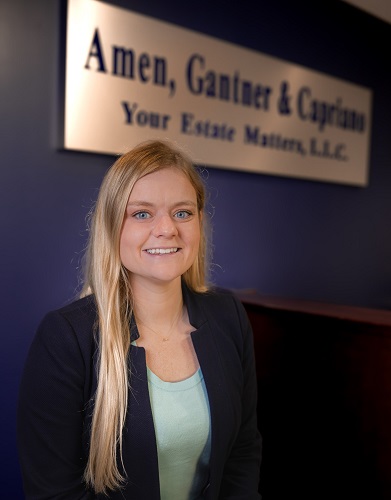
Have you ever wondered if you need an estate plan? Have you asked yourself what you would do if you or a loved one needed in-home or nursing home care? Have you thought about how to prepare for the future? If so, you’re in the right place! I’m Amanda, and welcome to the blog!
First, a Brief Introduction…
I was born and raised about half a mile from our office in Sunset Hills. For any of those interested in the quintessential St. Louis question, I am a proud Cor Jesu Academy alum. After high school, I headed south to receive bachelors’ degrees in English and Economics from Ole Miss, then acquired my J.D. at Wake Forest University. A fun fact about me?  I have an affinity for retro and antique clocks. I don’t mention this to convey my quirkiness – we’ll revisit the clocks later.
I am a bit of an anomaly as a conflict-averse attorney who has no desire to make more money for some multi-million-dollar conglomerate. Instead, I want to make a noticeable, positive impact on the lives of my clients and in my community. I’m so fortunate that elder law – and Amen, Gantner & Capriano – allow me to do just that.
You have probably heard of estate planning before. Whether dealing with the passing of a loved one, or in planning for your own future, most of you have probably encountered wills, trusts, or powers of attorney before. Unfortunately, you might not have heard of elder law or understood how it is different from estate planning. For this reason, I thought we would start with a simple question: what is the difference between elder law and estate planning?
Indulge me for a moment and imagine a clock. I told you we would return to clocks. Don’t envision the time on your phone display or that little digital thing on your nightstand. Instead, think of a stately grandfather clock. If you opened that clock, you would probably see a series of interlocking wheels – these wheels make up the gear train, and they cause the hour and minute hands to move. But what controls all those gears? What ensures that they actually move at a steady, predictable pace? It’s the escapement mechanism. The escapement mechanism releases power in controlled, periodic intervals. It is what creates the classic tick-tock sound, and what keeps your clock in order over time.
While I’m sure you have appreciated this clock digression, I mention it to explain the relationship between estate planning and elder law. The grandfather clock represents you. Estate planning is like one of the gears in your clock. Without that gear, your clock wouldn’t run. At the same time, estate planning is a relatively self-contained component of your overall well-being. If estate planning is a gear, then elder law is your escapement mechanism. It’s an indispensable component that keeps order among all the gears and other clock mechanics. Elder law touches most every aspect of your life, from your physical health to your finances and relationships. Both components are vital to a functioning clock, and both estate planning and elder law are necessary components to your life as you age.
What is Estate Planning?
Estate planning is the ongoing process of managing and arranging your assets. It allows you to make decisions today to protect your wishes, your assets, and the people you care about in the future. Almost everyone benefits from considering what would happen if they were unable to make financial or legal decisions for themselves, and about what they would want to happen if they passed away today. Death isn’t a choice, but what happens to your assets, your loved ones, and even yourself is a choice if you decide to be proactive through estate planning.
An estate plan might include a will, trust, powers of attorney, and healthcare documents; usually, it will include all these components. These tools help to ensure that your wishes are documented and that the people you trust are prepared to act on your behalf when needed.
What is Elder Law?
Elder law takes a broader approach to the legal, financial, and practical hurdles that arise as we age. In addition to estate planning, elder law may involve planning for long-term care, navigating Medicaid eligibility, protecting assets when appropriate, understanding care options, and helping families to make difficult decisions when a loved one needs additional support.
Estate planning is an important part of preparing for the future, while elder law helps address the challenges that may emerge along the way. Our elder law team, made up of attorneys and licensed clinical social workers, comprehensively assists individuals and families as they navigate the host of challenges that aging will inevitably bring.
Why Does It Matter?
You don’t have to be retired, wealthy, or facing a healthcare crisis to benefit from planning. A young family might need powers of attorney and a plan for their children. A couple approaching retirement may want to review their existing estate plan and consider future healthcare expenses. An adult child might need guidance after a parent can no longer safely live alone.
Elder law and estate planning are entirely dependent on your unique situation, and there is no one-size-fits-all approach. It’s not easy, and if it was only about creating documents, I would point you to the nearest AI-platform and wish you luck. The reality is, you want a professional in your corner to make sure you are prepared for whatever life may bring.
Whether you’re preparing for your own future, helping an aging parent, or managing a long-term care situation, understanding your options is essential. To help you start the process, we’ve uploaded a webinar that further explains elder law and how we can start to plan for the myriad difficulties of aging. Click here if you’d like to listen and learn more about how we might be able to support you.
What to Expect
My goal is to make estate planning and elder law easier to understand, one topic at a time. I want to encourage you to be proactive, to have a plan, and to be confident as you age. I’ll share practical tips, explain common legal terms, address frequently asked questions, and discuss issues that families encounter when planning for the future or caring for an aging loved one.
Some topics may be relevant to you today; others may be helpful in a decade or two. Either way, I hope the information here empowers you to feel informed and prepared.
If there’s a topic you’d like to see covered, or if you have a question, I’d love to hear from you! Feel free to leave a comment or question under the “Ask Amanda” feature on our website. I’m glad you’re here, and I look forward to exploring these topics with you!
Until next time,
Amanda Wilson Smith

- Ask Amanda: Estate Planning vs. Elder Law - October 22, 2026